Regional profile: McLaren Vale
This famous South Australian wine region, more than any in the country, has succeeded in balancing tradition and innovation, says Sarah Ahmed, who picks out 10 producers to watch and her top wines to try.

Standing five storeys high, with dynamically offset angular faces (like a Rubik’s Cube mid-twist) the d’Arenberg Cube in McLaren Vale is winemaker Chester Osborn’s paean to the complexities and puzzles of winemaking.
It could just as well be Osborn’s tribute to this South Australian region. Like the Cube, its unique jigsaw of more than 40 geologies and growing panoply of grape varieties (37 at last count at d’Arenberg alone) are radically refreshing ‘brand McLaren Vale’.
McLaren Vale was first surveyed for European settlement by John McLaren in 1839. And it wasn’t long before English settlers, notably James Reynell and Thomas Hardy, found a ready market back in their homeland for wine. These strapping red table wine and fortified blends were based on Grenache, Mataro (aka Mourvèdre) and Shiraz.
During the export-fuelled, table-wine-focused planting boom of the 1970s and ’80s, Shiraz toppled sugar-rich Grenache from its perch, becoming Australia’s most planted grape.
The 1980s and ’90s saw the launch of cult Shirazes showcasing McLaren Vale’s rich, velvety fruit. These include Kay Brothers’ Amery Block 6, d’Arenberg’s The Dead Arm and Clarendon Hills’ Astralis.
Following contemporary tastes, fruit shines more brightly as wines go into bottle earlier. There’s more focus on accentuating savouriness, spice or, with less extraction, ‘intensity, but without unbalanced muscularity’, says Emmanuelle Bekkers.
Today, Shiraz accounts for more than half of McLaren Vale’s plantings, with Grenache now just 6%. Together with Cabernet Sauvignon, Merlot and Chardonnay, these grapes account for 90% of McLaren Vale’s vineyard area.
However, more than any other classic premium-oriented Australian region, McLaren Vale has succeeded in making excellent wines rooted in tradition, while cultivating new strengths.
Varietal versatility
Corrina Wright is a sixth-generation grower and the first generation of her family to make wine under their Oliver’s Taranga label. She revels in growing Shiraz ‘for collectors’ (in 2015, the family was McLaren Vale’s first recipient of Penfolds’ Triple Crown Grange Growers perpetual trophy) and making wines ‘for the cool cats’ from alternative grape varieties.
McLaren Vale’s ability to offer such varietal versatility has its foundation in a highly stable Mediterranean climate, whose long growing season, says Wright, experiences ‘no high highs or low lows’. Vintages are pretty consistent.
Up and down, like the undulating hill and vale landscape, 16 retractable umbrellas atop the d’Arenberg Cube signpost McLaren Vale’s winning combination of high sunshine hours (they provide shade for the glass construction) and moderating winds. Without these winds, says Kay Brothers’ winemaker Duncan Kennedy, ‘it would be hot as hell in summer’.
McLaren Vale is 45 minutes’ drive south of Adelaide at the top of the Fleurieu Peninsula. Gulf of St Vincent is its western border, Adelaide is to the north, and the southern Mount Lofty Ranges (the foothills of the Adelaide Hills) are the eastern and southern extremities.
McLaren Vale at a glance
Climate: Mediterranean
Mean January temperature: 20.6°C-21.5ºC
Growing season rainfall: 180mm-200mm
Heat-degree days: 1,910
Wineries: 180 (90 with cellar doors)
Grape growers: 560
Area under vine*: 7,350.45ha
Crush*: 36,492 tonnes (average 2014-2018)
Top five varieties*
Shiraz 4,155ha (56.5%)
Cabernet Sauvignon 1,361 (18.5%)
Grenache 455.28 (6.2%)
Chardonnay 283.10 (3.85%)
Merlot 188.50 (2.5%)
Top five Iberian/Italian varieties (each under 1% of plantings)*
Tempranillo 62ha
Sangiovese 42.5ha
Fiano 24.15ha
Nero d’Avola 20.4ha
Touriga Nacional 18.4ha
Montepulciano 18.12ha
* Source: Vinehealth Australia
Geology cocktail
Maritime and gully winds whistle through the region’s vineyards. Aside from lowering the temperature, these winds – together with the dry growing season (McLaren Vale is in the rain shadow of Adelaide Hills) – reduce disease pressure. It explains why more than 70% of McLaren Vale’s wine grapes are sourced from vineyards participating in Sustainable Australia Winegrowing.
Since 2009, the annual McLaren Vale Districts Tasting – a region-wide initiative – has explored the impact of McLaren Vale’s geology cocktail.
This blind tasting assesses single-block Shiraz wines from 19 hypothetical sub-districts. Each is defined by geological units ranging between 15,000 years to more than 550 million years old, which influence soil type, structure and topography.
How much do climatic factors trump geology? Toby Bekkers says the jury is out about the extent to which elevated sites (from 50m to over 300m) or those further inland produce later-ripening, lighter-framed, more fragrant wines.
Osborn finds that the Beautiful View sub-district’s limestone sub-soils (34 to 56 million years old) produce narrow, blocky tannins, while younger, more nutritious sandstone sub-soils (2.4 million years old) impart more earthiness and a range of tannins, from fine to chunky.
Red-brown loam topsoil makes for bloodiness and grey loam topsoil, earthiness in the reds, Osborn says.
Further north and inland you get to the Blewitt Springs sub-district; it’s cooler and elevated with elements of a continental climate. Osborn says its sandstone subsoil and deep sand topsoil produce perfumed wines, while the clay subsoil with sand topsoil puts the accent on fruit and floral notes.
The new face of Grenache
Blewitt Springs leads the charge on perfumed, spicy, red-fruited Grenache (so-called ‘warm-climate Pinot Noir’ styles). It is one of the decade’s most exciting developments.
Grenache is picky about where it is planted, and the region’s surviving old bush vines flourish there and in other cooler locations, including Clarendon, Beautiful View and Kangarilla.
Thistledown Wines makes several examples, including two from Blewitt Springs. In 2019, the Vagabond Old Vine Grenache 2018 took top honours at the McLaren Vale Wine Show and the Sands of Time Grenache 2018 won the James Halliday Grenache Challenge.
Exemplifying the turnaround from past confected Grenache styles, gentle techniques – including whole-bunch and whole-berry ferments, as well as old oak puncheons and concrete eggs – ‘impart rapier-like precision and purity, retaining all of the unique elements we find in our remarkable old plots’, says Thistledown’s Giles Cooke MW.
For Yangarra Estate’s Peter Fraser, whose High Sands cuvée is one of the region’s highest-profile examples, ‘Grenache is establishing itself among the classics, becoming more important and more premium because of its scarcity.’
Emerging varieties
Although Wirra Wirra’s polished Cabernet Sauvignon blends and Kay Brothers and SC Pannell’s (neighbouring) nuanced single-vineyard examples impress, I suspect McLaren Vale’s other top five varieties will diminish in importance. Especially Chardonnay, a prime target for regrafting to emerging varieties that are better adapted to the warm, dry climate.
Southern Italy’s Fiano, Vermentino and Nero d’Avola and Iberia’s Tempranillo and Touriga Nacional have the potential to graduate from ‘cool cats’ to classics.
Chardonnay lover Andre Bondar (Bondar Wines) had no plans to make a white in McLaren Vale, but Fiano changed his mind, ‘because we could achieve natural balance and freshness, whether you work with phenolics or not’. Or indeed oak, making it a versatile variety.
Southern France’s Roussanne and Picpoul are also grapes to watch. As is the resurgence of Mataro (aka Mourvèdre). Describing it as ‘prettier and lighter, more like a Monastrell,’ Bondar’s Mataro – like many new-wave reds – deviates from the richer, riper traditional styles of old.
Such prettier, lighter, new-wave reds and refreshing whites capture the sentiment of a younger generation ‘who got tired of catching fish and only having a heavy Shiraz to drink with it’, explains Wright. ‘We wanted to create some more light and shade in the vineyard and in our wines.’
McLaren Vale’s diverse wine scene now certainly offers that.
McLaren Vale: 10 names to know
A leviathan by reputation and output, third- and fourth-generation winemakers Francis (‘d’Arry’) and Chester Osborn ensure that d’Arenberg, founded in 1912, retains its edge. Classics and a swashbuckling range of alternative varietal and single-site wines from certified biodynamic vineyards showcase McLaren Vale’s versatility. With its Alternate Realities Museum, sensory tasting room and playful degustation menu, the d’Arenberg Cube is a destination venue.
The oldest McLaren Vale winery to remain in founding family hands (since 1890) is no stick-in-the-mud. However, the Kay’s 22ha of ‘mud’ is special, especially Block 6, planted in 1892, which produces an iconic Shiraz. Vinifications in the original basket press and open fermenters give attractively earthy, flavoursome reds (including a Nero d’Avola). With more restrained oak, nothing is over-blown.
Co-founder Gregg Trott produced his first wine, the Church Block Cabernet Sauvignon-Shiraz-Merlot, in 1972. Like flagships The Angelus Cabernet Sauvignon and RSW Shiraz, this great-value red is consistently polished and plush. Recent developments include biodynamic cultivation (certified since 2013), The Absconder (a new-wave premium Grenache) and, scheduled to open in early 2023, McLaren Vale’s first five-star accommodation.
Whip-crackers for alternative varieties, the Lloyd family has made Sangiovese for more than 30 years and Coriole’s fresh, textural whites have put Chenin Blanc, Fiano and now Picpoul on the map. These pioneering wines, along with the classic brooding and savoury Shiraz-Grenache-Mourvedre are made for the table. Handily, award-winning locovore restaurant Gather at Coriole is on the doorstep.
Having acquired intimate knowledge of the region as Hardy’s ex-chief winemaker, Steve Pannell knows exactly where to source grapes. For both classics and emerging Italian and Iberian varieties, he creates wines of tension, skilfully balancing intensity, power and elegance. Wines from his Koomilya vineyard are particularly complex and site expressive.
Owned by California’s Jackson Family Wines since 2000, investment has catapulted this Blewitt Springs’ estate into McLaren Vale’s upper echelons. High Sands Grenache is a modern classic. It is sourced from a biodynamic vineyard that rises from 150m to 210m and boasts different aspects, geology and soil for its dozen red and white Rhône varieties. Sensitively made, wines include preservative-free examples and those vinified in ceramic eggs.
Melissa and Mike Brown are among the region’s champions of organic and biodynamic viticulture and wetland management for biodiversity. A restored old creek line planted to more than 50,000 native trees is at the heart of Gemtree’s Wetlands Eco-trail. The energy-neutral business’ certified biodynamic range includes a Savagnin and Tempranillo as well as more familiar varieties.
Experienced viticulturist Toby Bekkers and his French winemaker wife Emmanuelle established their eponymous boutique label in 2010. Meticulously sourced and sorted grapes give ashamedly high-end and exceptionally accomplished reds (and Emmanuelle’s Chablis). Parcels are skilfully blended with intensity not density in mind, elegantly harnessing the region’s generous fruit.
Since founding Aphelion Wine Co in 2015, Rob Mack and Louise Rhodes have put old-vine McLaren Vale Grenache from Blewitt Springs under the microscope, using different techniques (whole bunch, whole berry, maceration on skins) to thrilling effect. With uncommon lightness of touch, the range (including a Mataro, Sagrantino, GSM and Chenin) has no little precision and flair.
André and Selina Bondar established their label in 2012, acquiring the iconic Rayner Vineyard in 2013. A confident move. But then André’s experience at Domaine Alain Graillot (Crozes-Hermitage), Nepenthe (Adelaide Hills) and Mitolo (McLaren Vale) shines in a strong range. Rayner’s Pirramimma sandstone geology produces his preferred lighter, fragrant, style of savoury Shiraz. Grenache, Mataro and Fiano are also finely etched.
Sarah Ahmed’s top McLaren Vale picks
Zerella, La Gita Fiano, McLaren Vale, South Australia, Australia, 2018
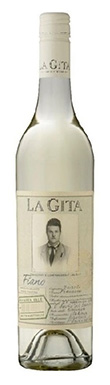

Hand-harvested from Peters Creek Vineyard in Kangarilla at 330m, a portion of grapes for this fresh, unoaked Fiano was whole bunch pressed. A lively, lifted citrussy example of this Campanian variety, with hints of white pepper, fennel, celery salt and orange zest to its grapefruity, mouthwatering palate. Nice intensity, persistence and line, with a saline edge to the finish.
2018
ZerellaMcLaren Vale

Bekkers, Syrah, McLaren Vale, South Australia, Australia, 2017
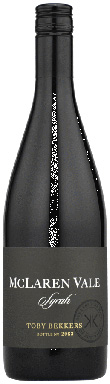
A complex balanced blend using about 20% whole bunches from Beautiful View vineyard (69%) on shallow grey-brown sandy loam over calcrete at about 105m and Clarendon vineyard on red clay loam over siltstone, clay and gravel at about 125m. Svelte, spicy blackberry and raspberry, hints of mint, black olive, charcuterie and earth. Long and fluid with seamless tannins. It spent nine months in French oak puncheons, 62% new.
2017
BekkersMcLaren Vale
Thistledown, Vagabond Grenache, Blewitt Springs, McLaren Vale, South Australia, Australia, 2018
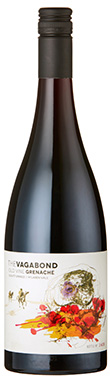
From old Blewitt Springs’ bush vines on deep sand, with some ironstone. Fermented using whole bunch, whole berry and crushed fruit, then aged in concrete eggs and oak. It has a lively, citrussy undertow and fine rub of sandpapery tannins to the fragrant red cherry and raspberry fruit. Violets, anise spice and fresh acidity make for a long, lifted finish.
2018
ThistledownMcLaren Vale
Samuel’s Gorge, Mosaic of Dreams, McLaren Vale, South Australia, Australia, 2017
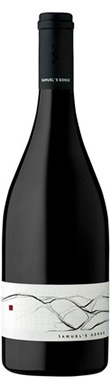
Dark, brooding and seamlessly tailored Grenache (65%) Mourvèdre (25%) and Syrah (10%) with deep-seated spice, courtesy of fermenting with 25% whole-berry and whole-bunch fruit and extended skin contact. Intricate layers of perfumed anise, clove, nutmeg, orange peel and leather over polished blackberry and plum fruit, cushioned and sustained by velvety tannins. Sumptuous. Matured for 24 months in seasoned French oak.
2017
Samuel’s GorgeMcLaren Vale
Hither & Yon, Aglianico, McLaren Vale, South Australia, Australia, 2015
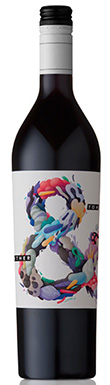
The Leask brothers won the McLaren Vale Wine Show 2019’s Bushing King Trophy with a Nero d’Avola, but this is a compellingly savoury, brawnier take on another southern Italian grape. Long and textural, with blackberry, salted black olives, leather, violets, bitter chocolate and wormwood. Grown on an alluvial fan of sand, clay and gravel. Aged 16 months in old French oak.
2015
Hither & YonMcLaren Vale
SC Pannell, Tempranillo Touriga, McLaren Vale, South Australia, Australia, 2018
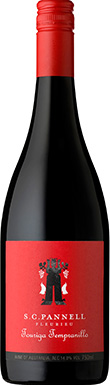
The winner of my International Judge's Trophy at the 2019 McLaren Vale Wine Show. Tactile graphite tannins lend savoury balance to this 57% Tempranillo, 43% Touriga Nacional blend’s animated juicy plum, blackberry and cherry fruit. Pronounced earl grey/bergamot lift, with hints of orange peel and peppermint. Persistent acidity and ruffled tannins tease out and entrap the flavours. Aged five months in French puncheons (20% new), then eight months in foudres.
2018
SC PannellMcLaren Vale
Aphelion, Emergent Mataro, McLaren Vale, South Australia, Australia, 2018
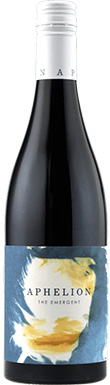
<p>A great example of modern, approachable Mataro, with a classic spicy, dry palate animated by juicy persistent fruit. White pepper, clove, liquorice and orange peel notes lace its vibrant black cherry, berry and sour plum flavours. Individually fermented components from Blewitt Springs (destemmed), Willunga (50% whole bunch) and Sellicks (whole berry) aged in seasoned French oak prior to blending and bottling.</p>
2018
AphelionMcLaren Vale
Brash Higgins, GR/M, McLaren Vale, South Australia, Australia, 2018
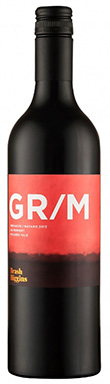
A co-fermented blend of whole-berry Grenache (70%) and whole-bunch Mataro (30%) from Yangarra Estate’s acclaimed biodynamically certified Blewitt Springs vineyard. Early picking produces aromatic orange peel, dried herb and angostura bitters notes to its blood plum fruit, with musky, earthy spice and leather on a savoury finish. Wears its alcohol lightly. Aged 10 months in old French oak puncheons.
2018
Brash HigginsMcLaren Vale
Oliver's Taranga, Shiraz, McLaren Vale, South Australia, Australia, 2017
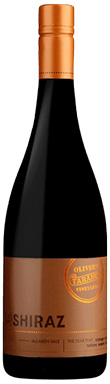
A blend of 10 estate blocks up to 70 years old (multiple soils, clones and vines), some with extended maceration, matured for 17 months in French (70%) and American oak hogsheads, 20% new. A grind of pepper on top of generous, creamy blackberry and mulberry fruit, with mocha notes and a savoury frame of ripe but present, textural, earthy tannins. Satisfying and good value.
2017
Oliver's TarangaMcLaren Vale
Lino Ramble, Blind Man's Bluff, McLaren Vale, South Australia, Australia, 2019
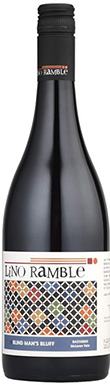
Former Kay Brothers’ winemaker Andy Coppard embraces new climate-friendly varieties with gusto for his minimal-intervention grape-growing and winemaking. Spicy, with a light brush of tannins and herbal riffs, this pale, medium-bodied expression of Portugal’s Bastardo (aka Trousseau) was part whole-bunch fermented and spent four months on its skins. Persistent, with lovely intensity to its jewel-bright red fruits.
2019
Lino RambleMcLaren Vale
